

Inhaltsübersicht
Influencer marketing has matured quickly over the past few years. What started as an experimental channel is now a core part of many marketing strategies.
Every year, the industry gets louder. More creators. More platforms. More campaigns. But louder doesn’t always mean better. And as we move toward 2026, influencer marketing is entering a new phase.
This post isn’t about hype or extreme takes. It’s based on what I’m seeing brands struggle with, what creators are asking for, and how influencer marketing is slowly shifting from vibes and visibility to accountability and performance.
So here’s my honest take on what influencer marketing will actually look like in 2026, what will work, what won’t, and what needs to change.
Is Influencer Marketing Still Growing or Just Getting Louder?
On paper, influencer marketing looks stronger than ever. More creators are entering the space every year. New platforms keep emerging. Brands are allocating real budget, not just experimental spend.
But growth in numbers doesn’t always equal growth in results.
What’s really happening is saturation. Audiences are constantly exposed to influencer content. Feeds are filled with sponsored posts, discount codes, and “this changed my life” recommendations.
As a result, attention has become harder to earn, and trust has become more fragile.
Influencer marketing is more popular, but it’s also more competitive and less forgiving.
In 2026, popularity alone won’t be enough. Campaigns that rely purely on reach or follower count will struggle, while campaigns built around relevance and intent will still perform.
How Influencer Marketing Will Change in 2026
Influencer marketing in 2026 will look very different from the early Instagram-only days. What once revolved around a single sponsored post is now becoming more strategic, more measured, and more relationship-driven.
Several shifts are already underway and are only speeding up.
Fewer One-Off Posts and More Long-Term Relationships
One-off influencer posts are slowly losing their impact. A single sponsored video might grab attention for a day or two, but it rarely delivers long-term value.
Brands are starting to see better results when creators talk about a product more than once, across different moments and platforms. Repeated exposure builds familiarity, and familiarity builds trust.
In 2026, influencer marketing will focus more on ongoing partnerships where creators become familiar faces connected to a brand.
Niche Creators Will Outperform Generic Influencers
Bigger is no longer automatically better.
Niche creators with smaller but highly engaged audiences are already outperforming larger influencers in many campaigns.
Their followers tend to share common interests, problems, or goals, which makes recommendations feel more relevant and personal.
For example, a creator who regularly talks about productivity tools or online business is far more effective at promoting a SaaS product than a lifestyle influencer with a much larger following.
In 2026, audience alignment will matter more than follower count, and brands will prioritise creators who speak directly to the people they want to reach.
Performance Will Matter More Than Personality
Personality will always play a role in influencer marketing, but it will no longer be enough on its own.
Brands are under increasing pressure to justify spend, which means numbers matter.
Clicks, sign-ups, sales, and retention are becoming the benchmarks that define success. Engagement alone is no longer convincing if it does not lead to meaningful action.
Influencers will still need to be relatable and authentic, but campaigns will be judged by what they actually deliver. Influence will be measured less by how popular someone is and more by how effectively they move an audience to act.
Influencer Marketing Will Blend With Other Channels
The lines between influencer marketing, affiliate marketing, partnerships, and community-driven promotion are becoming increasingly blurred.
Creators are no longer just promoting products. Many are acting as long-term partners, educators, or trusted recommenders within specific communities.
As a result, influencer marketing is starting to overlap with affiliate models and referral-based strategies.
This shift allows brands to track performance more clearly and reward creators based on real outcomes. Influencer marketing will no longer sit in isolation; with the increase in PR activities, it will work alongside other growth channels, forming part of a more connected and accountable marketing ecosystem.
How to Build Influencer Marketing Strategies That Actually Work
Successful influencer marketing strategies no longer start with creators. They start with clarity.
Brands that see real results are not guessing or chasing trends. They are intentional about what they want, who they work with, and how they measure success.
Here are the approaches that actually work.
Define Success Before You Reach Out to Creators
One of the biggest mistakes brands make is launching influencer campaigns without a clear definition of success.
Before reaching out to anyone, you need to decide what this campaign is meant to achieve. Is it awareness, traffic, sign-ups, or revenue? Not every campaign can do everything, and trying to measure all outcomes at once usually leads to confusion.
For example, a campaign focused on awareness should not be judged the same way as a campaign designed to drive sales. When goals are clear from the start, creator selection, content style, and performance tracking become much easier.
Clarity upfront saves frustration later.
Choose Creators Based on Audience Alignment, Not Follower Count
Follower count is still tempting, but it is rarely the best indicator of performance.
A smaller creator who speaks directly to your ideal customer is often more valuable than a larger creator whose audience only partially overlaps with your target market.
For instance, a creator who regularly talks about running online businesses will usually outperform a general lifestyle influencer when promoting a SaaS tool, even with a much smaller audience.
Prioritise Repeat Exposure Over One-Off Posts
Influencer marketing works best when it feels familiar.
A single sponsored post may briefly grab attention, but it rarely builds enough trust to drive action. Audiences need to see a product mentioned more than once, in different situations, over time.
Brands that focus on ongoing creator partnerships rather than one-off posts tend to see better long-term results. Repeated exposure builds credibility and makes recommendations feel natural rather than forced.
Track Outcomes Properly and Stop Guessing
Without tracking, influencer marketing turns into guesswork. And guesswork does not scale.
Many campaigns quietly fail here. Brands invest in content, hope for impact, and then struggle to explain results internally. When budgets are reviewed, those campaigns are often the first to be questioned.
Clicks, sign-ups, sales, and retention matter. Engagement alone is no longer enough if it does not lead to meaningful action.
Use the Right Tools to Support Performance and Partnerships
As influencer programs grow, the right tools become just as important as the creators themselves.
Manual tracking and spreadsheets might work at a small scale, but they quickly fall apart as programs expand. You need systems that accurately attribute results, track performance over time, and support long-term partnerships.
This is where affiliate-style tools make sense. You need a tool that helps you treat influencers as accountable partners instead of anonymous promoters. You must provide each creator with a unique tracking link so that performance is visible and results are measurable.
How Can Easy Affiliate Help You Manage Influencer Marketing Better in 2026?
As influencer marketing becomes more performance-focused, managing it manually can quickly become messy. You are suddenly dealing with multiple creators, different platforms, endless links, and results that are hard to piece together.
This is where Easy Affiliate fits naturally into your influencer strategy, especially if you are struggling to manage the growing number of influencers your business works with.
Creating Unique Links for Each Influencer
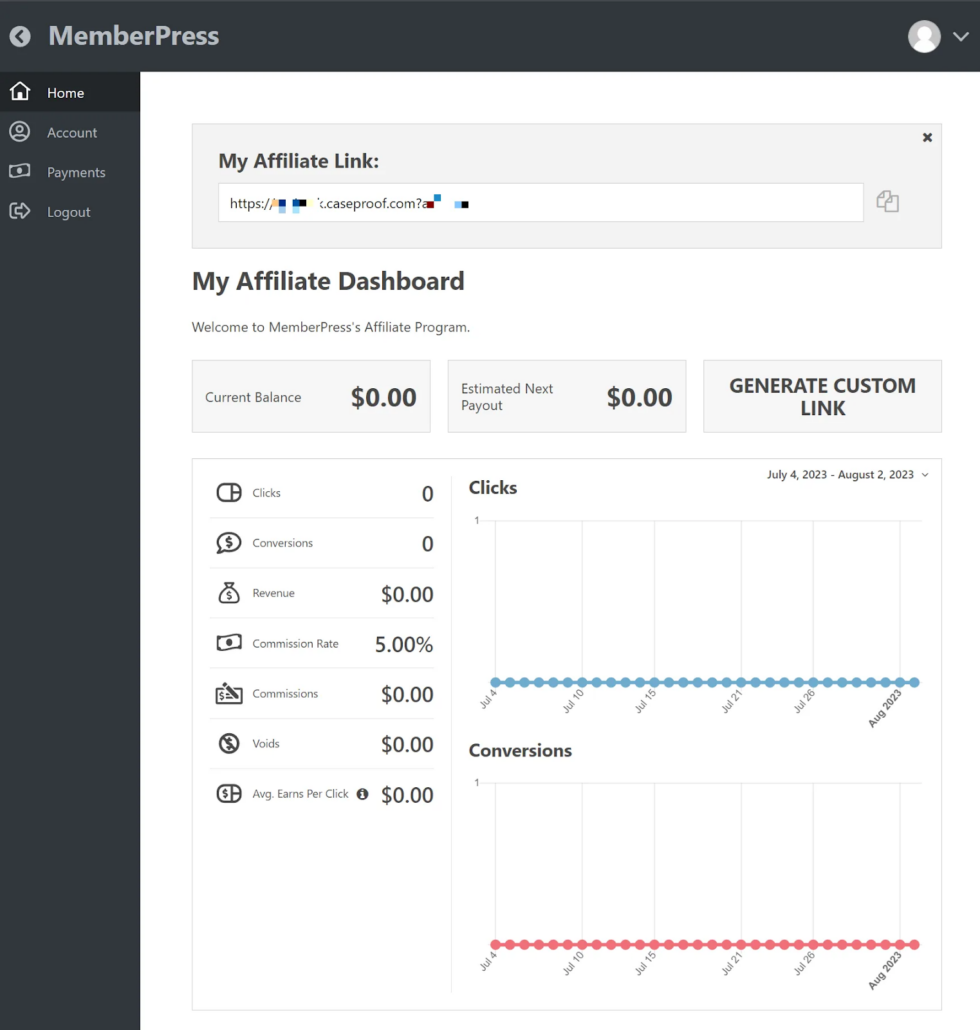
Instead of juggling multiple URLs or asking influencers to use old tracking methods, Easy Affiliate can automatically create a unique referral link for each influencer.
Once an influencer is added, they can see everything on their dashboard.
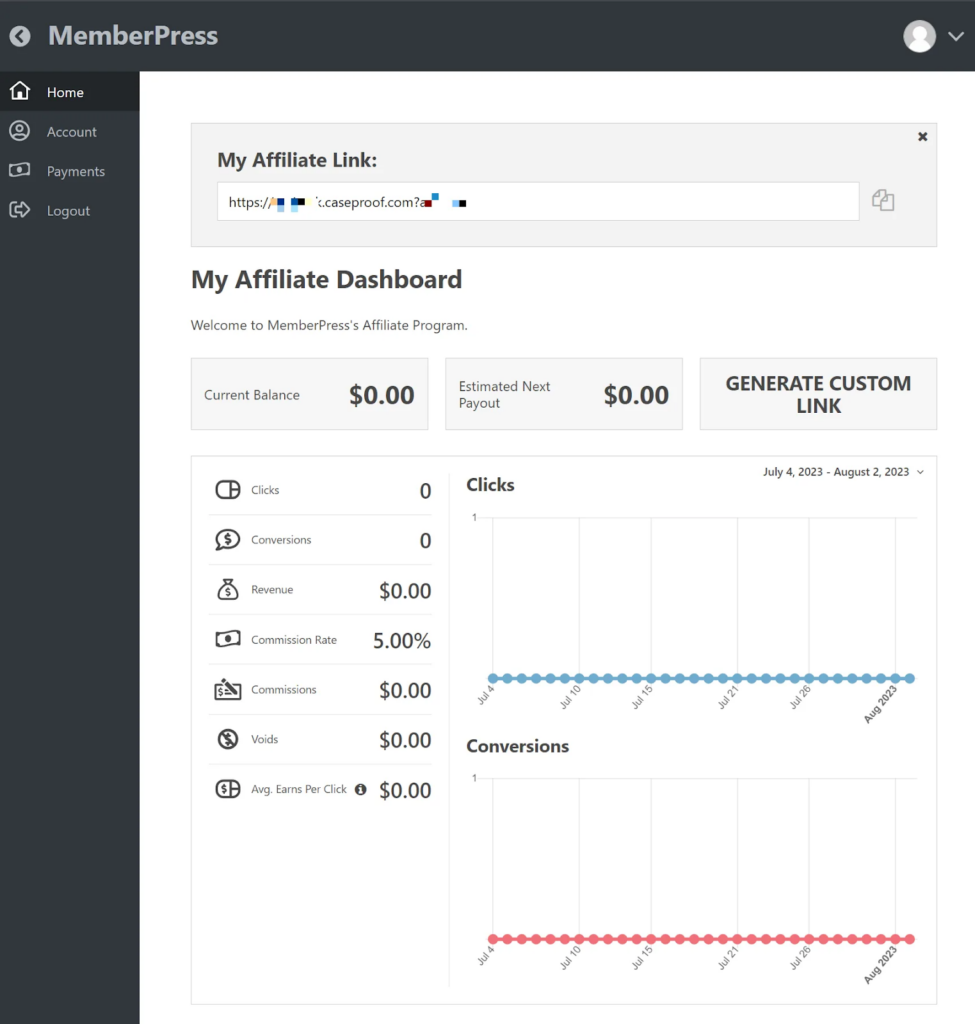
They can use the same link across Instagram, TikTok, YouTube, blogs, or email without any extra setup.
This keeps things simple for creators and consistent for tracking.
Track Influencer Performance Easily
Easy Affiliate automatically adds UTM parameters to affiliate links, so you can track influencer performance in granular detail in Google Analytics.
See how many clicks an influencer drives, how many sign-ups come from their link, how many sales they convert, and which of their channels is most successful.
This makes it easy to tell the difference between influencers who look busy and those who actually perform.
Paying Influencers Based on Real Results
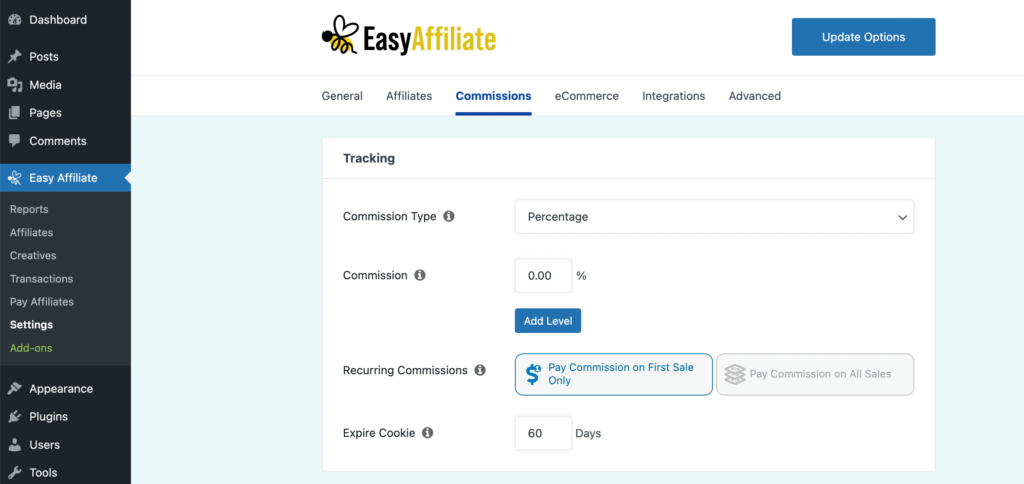
As influencer marketing becomes more performance-driven, paying for results matters.
Easy Affiliate supports performance-based payouts by tracking exactly what each influencer generates. This makes it easier to reward creators fairly based on outcomes rather than on flat fees alone.
It also removes awkward conversations around whether a campaign worked or not because the data is clear.
In Summary
I hope this post has helped you see how things are likely to move this year, and why doing influencer marketing “the old way” is starting to feel a bit risky.
The space is getting more competitive, and the people who adapt early usually have the most fun watching it work.
Now it's over to you to put yourself a step ahead of everyone else who is still chasing likes and hoping for the best.
And honestly, staying ahead always feels better than playing catch-up.
Found this blog useful? Let me know in the comments below. I'd love to hear your insights and experiences.
Und wenn Ihnen dieser Artikel gefallen hat, folgen Sie Easy Affiliate auf Twitter, Facebookund LinkedIn.


Schreibe einen Kommentar