


Inhaltsübersicht
In den ersten zwei Jahren meiner E-Commerce-Reise habe ich Geld für Facebook-Anzeigen ausgegeben. Einige Kampagnen funktionierten. Die meisten nicht. Und selbst die, die gut liefen, hatten diese unangenehme Eigenschaft: In dem Moment, in dem ich aufhörte zu zahlen, hörte auch der Traffic auf.
In der Zwischenzeit war einer meiner erfolgreichsten “Kanäle” überhaupt kein Kanal. Es war ein Blogger, der drei Jahre zuvor eine einzige Rezension über mein Produkt geschrieben hatte.
Diese Stelle schickte Monat für Monat weitere Käufer. Sie bemühte sich nicht einmal mehr. Der Artikel saß einfach da und arbeitete, während sie schlief.
Da hat das Empfehlungsmarketing bei mir Klick gemacht. Die Menschen, die das, was Sie verkaufen, bereits lieben, können Ihnen Kunden bringen, die Sie allein nie erreichen würden.
Aber die meisten Unternehmen geben ihnen nie einen Grund oder eine Möglichkeit, dies zu tun.
So können Sie das ändern!
Warum Ihre zufriedenen Kunden eine ungenutzte Goldmine sind
Wir alle wissen, dass Empfehlungen von großer Bedeutung sind. Wenn Ihnen ein Freund von einem Restaurant erzählt, ist die Wahrscheinlichkeit, dass Sie es ausprobieren, viel größer, als wenn Sie das gleiche Restaurant in einer Anzeige gesehen haben. Das liegt einfach in der menschlichen Natur.
Die Statistiken bestätigen dies:
- 92% der Verbraucher vertrauen Empfehlungen von Freunden und Familie mehr als allen anderen Formen der Werbung (Nielsen)
- Geworbene Kunden haben einen 16% höherer Lebenszeitwert und 37% höhere Rückhaltequote (Wharton School of Business)
Das Verrückte daran ist, dass diese Mundpropaganda bei den meisten Unternehmen bereits stattfindet. Kunden erzählen es ihren Freunden. Sie erwähnen Produkte in Reddit. Sie antworten auf Twitter auf die Frage “Welche Tools verwenden Sie?”.
Wie können Sie also aus dem Rummel um Ihr Unternehmen noch mehr Kapital schlagen? Indem Sie ein System schaffen. Etwas, das Empfehlungen nachverfolgt, die Leute belohnt, die sie machen, und den ganzen Prozess so einfach macht, dass die Leute es tatsächlich tun.
Das ist es, was Ihnen eine Empfehlungsmarketingstrategie bietet. Und hier ist Ihr Plan, wie Sie eine solche Strategie für sich selbst entwickeln können:
Schritt 1: Finden Sie die richtigen Leute, die Sie weiterempfehlen
Nicht jeder, der Ihr Produkt mag, ist ein guter Empfehlungspartner. Sie suchen nach Menschen, die sich an der Schnittstelle von drei Dingen befinden:
Sie nutzen tatsächlich, was Sie verkaufen. Jemand, der seit zwei Jahren Kunde ist und Ihr Produkt in- und auswendig kennt, wird anders darüber schreiben als jemand, der sich erst letzte Woche angemeldet hat. Echte Erfahrung zeigt sich.
Sie haben Zugang zu Ihrem Publikum. Das kann ein Blog, ein YouTube-Kanal, eine E-Mail-Liste oder einfach ein starkes Netzwerk in Ihrer Branche sein. Es kommt weniger auf die Größe als auf die Relevanz an.
Sie sind motiviert. Manche Menschen lieben es, gute Funde zu teilen. Andere brauchen einen finanziellen Grund. Beides ist in Ordnung - man muss nur wissen, womit man arbeitet.
Beispiele für gute Empfehlungspartner
Angenommen, Sie führen ein Online-Kursplattform. Ihre idealen Empfehlungsgeber könnten wie folgt aussehen:
- Der Blogger für die Kurserstellung: Sie schreibt Tutorials über den Aufbau und die Einführung von Online-Kursen. Ihre Leser sind buchstäblich Ihr Zielmarkt.
- Der zufriedene Kunde wird zum Berater: Er hat Ihre Plattform genutzt, um seinen eigenen Kurs aufzubauen, und jetzt hilft er anderen Trainern, das Gleiche zu tun. Jeder Kunde ist ein potenzieller Empfehlungsgeber.
- Der YouTube-Rezensent: Sie macht Software-Walkthroughs für Kreative. Ein einziges Video kann jahrelang für Traffic sorgen.
- Der Industrie-Podcast-Moderator: Er interviewt jede Woche Menschen aus Ihrer Branche. Eine Erwähnung in seiner Sendung erreicht Tausende.
Überlegen Sie, wo sich Ihre potenziellen Kunden bereits aufhalten, was sie lesen, wem sie zuhören. Das sind die Leute, von denen Sie möchten, dass sie Sie weiterempfehlen.
Schritt 2: Setzen Sie die richtigen Anreize
Der schnellste Weg, ein Empfehlungsprogramm zu zerstören, ist, einen Anreiz zu bieten, für den sich niemand interessiert.
Ich habe schon erlebt, dass Unternehmen $5-Geschenkgutscheine für Empfehlungen anbieten, deren Erstellung jemanden Stunden Zeit kostet. Das ist beleidigend, auch wenn das nicht die Absicht war. Das Verhältnis zwischen Aufwand und Belohnung muss sinnvoll sein.
Cash-Provisionen
Für seriöse Affiliates (Blogger, YouTuber, Berater, die Empfehlungen als Teil ihres Einkommens betrachten) ist Bargeld König. Ein prozentualer Anteil am Verkauf (in der Regel 20-30%) funktioniert in der Regel besser als Pauschalgebühren, vor allem bei hochpreisigen Produkten.
Wenn Ihr Produkt $299/Jahr kostet, ist eine Pauschalprovision von $15 nicht gerade überwältigend. Aber 25%? Das sind $75 pro Verkauf, was sich schnell summiert, wenn jemand beständigen Traffic schickt.
Wiederkehrende Provisionen
An dieser Stelle wird es für Abonnementunternehmen interessant. Wenn Ihr Empfehlungsgeber nicht nur beim ersten Verkauf, sondern auch bei jeder Verlängerung einen Anteil erhält, hat er einen Anreiz, Ihnen Kunden zu schicken, die bei Ihnen bleiben werden.
Eine einmalige Provision von $50 könnte die Aufmerksamkeit von jemandem wecken. Aber $50 jetzt plus $50 im nächsten Jahr plus $50 im Jahr danach? Das schafft Loyalität auf beiden Seiten.
Der mehrstufige Ansatz
Eine Struktur, die ich gesehen habe, funktioniert wirklich gut: Beginnen Sie mit einem Basisprovisionssatz und erhöhen Sie ihn, wenn Sie sich bewähren. Erreichen Sie 10 Verkäufe, steigt Ihr Satz von 20% auf 25%. Bei 50 Verkäufen sind Sie bei 30%.
Dies belohnt Ihre besten Partner und gibt neueren Partnern ein Ziel vor Augen.
Schritt 3: Beseitigen Sie alle möglichen Hindernisse für die gemeinsame Nutzung
Jemand beschließt, dass er Sie weiterempfehlen möchte. Was als nächstes passiert, entscheidet darüber, ob sie es tatsächlich durchziehen.
Wenn sie Ihnen eine E-Mail schicken müssen, um einen Link zu erhalten, auf eine Antwort warten müssen, herausfinden müssen, wie man ihn benutzt, und hoffen müssen, dass er korrekt übertragen wird, werden sich die meisten nicht darum kümmern. Der Prozess muss sofort und offensichtlich sein.
Geben Sie ihnen ein Dashboard
Ihre Partner sollten in der Lage sein, sich einzuloggen, ihre Statistiken einzusehen, einen Link zu erstellen und wieder mit der Werbung zu beginnen. Alles an einem Ort. Klicken, kopieren, fertig.
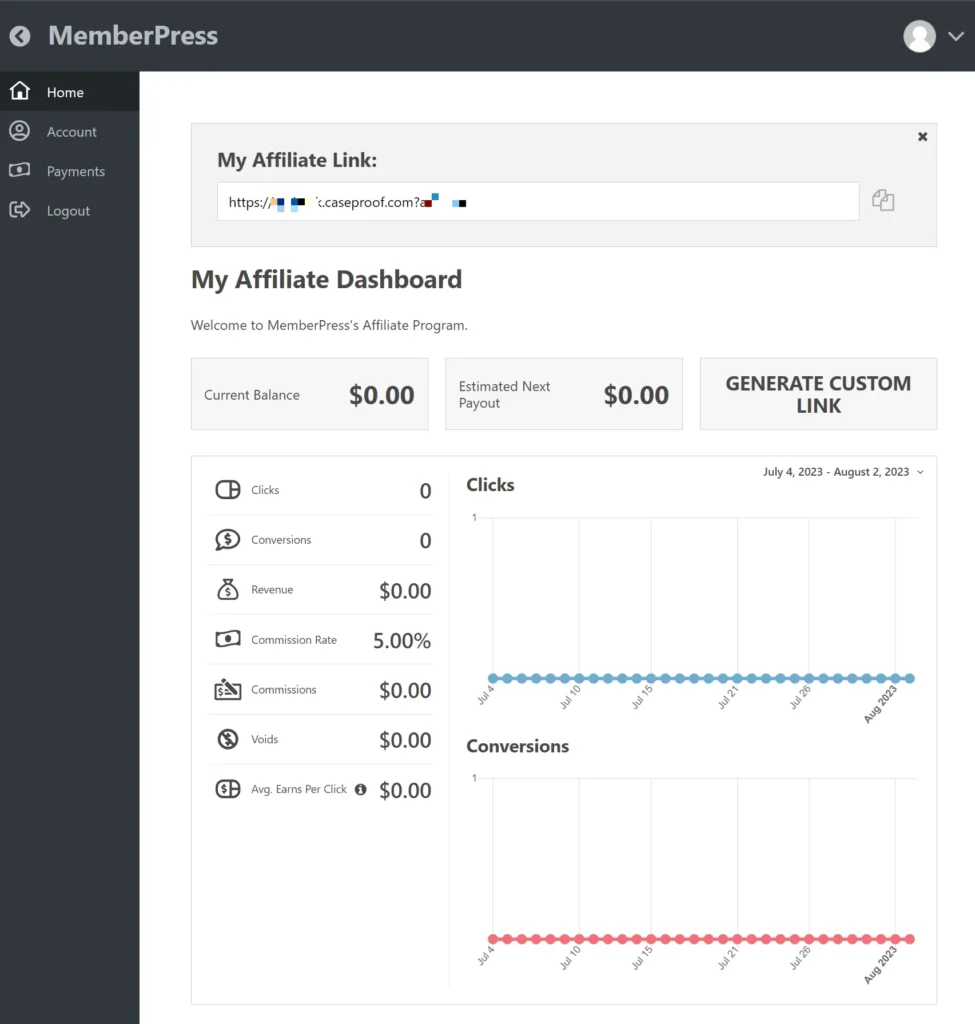
Das Dashboard sollte ihnen zeigen, was sie interessiert: Klicks, Umsätze, verdiente Provisionen, Zahlungsverlauf. In Echtzeit, nicht “alle 24 Stunden aktualisiert”.”
Bereitstellen von fertigen Assets
Nicht jeder ist ein Designer. Wenn Sie Tochtergesellschaften polierte Banner, soziale Grafiken und sogar E-Mail-Vorlagen, die sie anpassen können, beseitigen Sie die Barriere des “Ich weiß nicht, was ich sagen soll”.
Ich habe eine Bibliothek mit kreativen Assets, die nach Kampagnen geordnet sind, in Leichtes Affiliate. Neue Produkteinführung? Hier sind die Werbebanner. Saisonales Angebot? Hier ist die E-Mail-Kopie. Die Partner nehmen sich, was sie brauchen, und gehen.
Machen Sie die Regeln kristallklar
Wann werden die Provisionen ausgezahlt? Wie lange dauert das Cookie? Gibt es irgendwelche Einschränkungen bei der Werbung?
Schreiben Sie eine Vereinbarung die für alle Parteien klar und fair ist.
Schritt 4: Verfolgen, was tatsächlich passiert
Ein Empfehlungsprogramm ohne ordnungsgemäße Nachverfolgung ist wie Anzeigenschaltung ohne Analyse. Sie raten nur.
Das müssen Sie wissen:
- Klicks: Wie viele Leute klicken auf diese Verweislinks?
- Umrechnungen: Wie viele Klicks wurden zu tatsächlichen Verkäufen?
- Leistung der Tochtergesellschaften: Von wem kommt der Traffic? Wer konvertiert? Wer macht überhaupt nichts?
- Summen der Kommission: Was schulden Sie, wem und wann?
Real-Time-Angelegenheiten
Wenn ein Partner am Dienstag eine E-Mail verschickt und die Ergebnisse erst am Donnerstag sehen kann, ist das frustrierend. Sie wollen sofort wissen: Hat es funktioniert? Sollte ich eine Folgemail senden? Wie ist die Resonanz?
Echtzeitberichte halten die Partner bei der Stange und helfen Ihnen, Trends zu erkennen, sobald sie auftreten.
Vorsicht vor Betrug
Dies ist der unangenehme Teil, über den niemand sprechen möchte. Nicht jede Überweisung ist legitim.
Selbstempfehlungen (Sie verwenden Ihren eigenen Link, um einen Rabatt zu erhalten), verdächtige Klickmuster, Umrechnungen aus dubiosen Quellen - das summiert sich.
Wer ein Problem frühzeitig erkennt, spart später Geld und unangenehme Gespräche.
Eine gute Betrugserkennung zeigt ungewöhnliche Aktivitäten automatisch anPlötzlich auftretende Spitzen bei den Konversionen, Selbstempfehlungsversuche, Datenverkehr aus verdächtigen Quellen. Sie prüfen, untersuchen, wenn nötig, und rufen an, bevor das Geld ausgeht.
Schritt 5: Bezahlen Sie Ihre Mitarbeiter pünktlich, jedes Mal
An dieser Stelle verlieren viele Unternehmen das Vertrauen ihrer Partner.
Jemand erhält im Januar eine Provision. Der Februar vergeht. Der März vergeht. Sie schicken eine E-Mail und fragen, was passiert ist. Sie bemühen sich, es herauszufinden. Sie sind verärgert. Die Beziehung verschlechtert sich.
Legen Sie einen Zeitplan fest und halten Sie ihn ein. Monatlich ist Standard. Kündigen Sie das Auszahlungsdatum deutlich an (“Provisionen werden bis zum 15. eines jeden Monats für die Verkäufe des Vormonats gezahlt”) und halten Sie es jedes Mal ein.
Auszahlungen leicht gemacht
PayPal funktioniert für die meisten Partner. Es ist schnell, weit verbreitet und erfordert nicht die Erfassung von Bankdaten. Wenn Sie das können Auszahlungen per Mausklick (Liste prüfen, genehmigen, fertig), werden Sie viel weniger Zeit mit der Verwaltung verbringen.
Seien Sie offen für Schwellenwerte
Wenn Sie erst auszahlen, wenn jemand $50 an Provisionen verdient hat, sagen Sie das, bevor er sich anmeldet. Es ist frustrierend, wenn man nach dem Erreichen von $40 feststellt, dass man noch nicht darauf zugreifen kann.
Schritt 6: Behandeln Sie Affiliates wie Partner
Die besten Empfehlungsprogramme fühlen sich wie Partnerschaften an, nicht wie Transaktionen.
Ihre Partner sprechen da draußen über Sie, schreiben über Sie und setzen ihren Ruf aufs Spiel, indem sie Sie empfehlen. Das verdient mehr als einen monatlichen Provisionsscheck.
Halten Sie sie auf dem Laufenden
Eine neue Funktion wird eingeführt? Informieren Sie Ihre Partner zuerst. Steht ein Verkauf an? Informieren Sie sie im Voraus, damit sie Inhalte vorbereiten können. Änderungen an der Provisionsstruktur? Informieren Sie sie vorher, nicht hinterher.
Ich schicke meinen Partnern monatlich ein kurzes Update: was es Neues gibt, was kommt, wer die Top-Performer sind, welche Aktionen sie nutzen können. Das Schreiben dauert eine Stunde und hält das ganze Programm auf Trab.
Geben Sie ihnen exklusive Angebote
Lassen Sie Ihre Partner etwas anbieten, das ihre Zielgruppe anderswo nicht bekommt. Das könnte sein:
- einen Rabattcode,
- eine zusätzliche Ressource,
- frühzeitiger Zugang zu einer neuen Funktion.
Das macht ihre Werbung wertvoller und stärkt ihre Beziehung zu ihren Lesern.
Verbindung zu Ihrem E-Mail-Marketing
Ich integriere meine Partnerliste in meine E-Mail-Plattform (ActiveCampaign in meinem Fall, aber Mailchimp, Bausatz, und andere funktionieren auch). Auf diese Weise kann ich nach Leistungsniveau segmentieren, gezielte Updates senden und Begrüßungssequenzen für neue Anmeldungen automatisieren.
Das ist besser als die Verwaltung einer separaten Tabellenkalkulation.
Schritt 7: Setzen Sie auf Ihre besten Mitarbeiter
Die Leistung von Partnern folgt einem Potenzgesetz. Eine kleine Anzahl von Referrern wird den größten Teil Ihrer Ergebnisse erzielen. Behandeln Sie sie entsprechend.
Sie frühzeitig erkennen
Überprüfen Sie Ihre Berichte monatlich. Wer schickt beständig Traffic? Wer hat gute Konversionsraten? Wer ist seit sechs Monaten still?
Leistung belohnen
Erhöhen Sie die Provisionen für Top-Affiliates auf höhere Stufen. Bieten Sie ihnen exklusive Angebote. Sprechen Sie sie persönlich an und fragen Sie sie, was ihnen helfen würde, ihre Werbung effektiver zu gestalten. Manchmal ist es so einfach wie eine schnellere Antwort auf ihre Fragen.
Tatsächliche Beziehungen aufbauen
Ihre fünf besten Partner generieren wahrscheinlich mehr Umsatz als Ihre fünfzig schlechtesten Partner zusammen. Lernen Sie sie kennen. Besuchen Sie sie vierteljährlich. Fragen Sie nach ihrem Geschäft. Suchen Sie nach Möglichkeiten der Zusammenarbeit, die über die normale Partnerbeziehung hinausgehen.
- Gemeinsame Webinare,
- Gastbeiträge,
- Produkt-Feedback-Sitzungen
Geben Sie ihnen das Gefühl, an Ihrem Erfolg beteiligt zu sein!
Abschließende Überlegungen
Empfehlungsmarketing funktioniert, weil es auf etwas Reellem beruht: Menschen, die anderen Menschen, die es brauchen könnten, Dinge empfehlen, die sie tatsächlich mögen.
Ihre Aufgabe ist es, dies einfach zu machen. Geben Sie den Menschen einen Grund zum Teilen, eine einfache Möglichkeit, es zu tun, und eine faire Vergütung, wenn es funktioniert.
Die Unternehmen, die dies gut machen, verfügen über einen Marketingkanal, der im Laufe der Zeit wächst. Der Blogger, der letztes Jahr über Sie geschrieben hat? Schickt immer noch Besucher. Der Partner, der Sie in seine Kursempfehlungen aufgenommen hat? Jeder neue Student sieht es.
Es geht nicht sofort, und es ist nicht passiv. Aber es könnte die nachhaltigste Wachstumsstrategie sein, die Sie entwickeln können.
Sind Sie bereit, Ihr eigenes Empfehlungsprogramm aufzubauen?
Leichtes Affiliate bietet Ihnen alles, was in diesem Beitrag behandelt wird:
- das Dashboard der Partner,
- Echtzeit-Verfolgung,
- Aufdeckung von Betrug,
- Auszahlungen per Mausklick,
- und E-Mail-Marketing Integrationen
Alles in einem einzigen WordPress-Plugin. Keine Gebühren für Zwischenhändler oder Drittanbieter-Plattformen, die Sie verwalten müssen. Nur Ihr Programm, auf Ihrer Website, unter Ihrer Kontrolle.
Holen Sie sich Easy Affiliate noch heute!
Fügen Sie Ihrer WordPress-Website in wenigen Minuten ein vollständiges Partnerprogramm hinzu.
Welche Erfahrungen haben Sie mit Empfehlungsprogrammen gemacht - als Geschäftsinhaber oder als Partner? Ich würde gerne in den Kommentaren erfahren, was funktioniert hat (oder auch nicht).
Wenn Ihnen dieser Artikel gefallen hat, folgen Sie uns auf X (Twitter), Facebookund LinkedIn. Und vergessen Sie nicht, unseren Newsletter zu abonnieren


Wow, das sind so viele Informationen, die alles im Detail erklären. Vielen Dank dafür. Ich wusste nicht, dass ich meine Affiliate-Links an so vielen Stellen platzieren kann.