


Table of Contents
This list is about plugins that help you bring in more leads, improve conversions, increase revenue, and build stronger customer relationships.
These are WordPress plugins built for marketing and monetization, from affiliate programs and email campaigns to lead generation, social proof, and customer retention.
We’ve narrowed the list to ten plugins that can help turn your WordPress site into a stronger growth engine. Here’s why each one made the cut.
1. Easy Affiliate
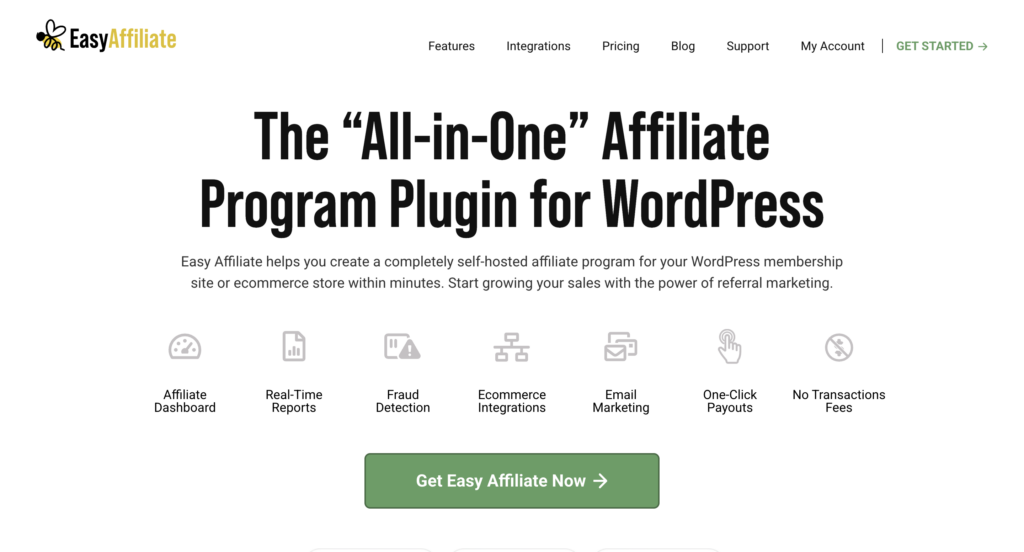
If you’ve ever thought about turning your best customers into a sales channel, Easy Affiliate is where to start.
It’s a WordPress plugin that lets you run your own affiliate program – meaning you recruit partners, set commission rates, and keep all your data on your own site rather than paying a third-party network a cut.
As a business owner, this is a great way to grow your business; affiliates send you customers you wouldn’t have reached otherwise, and you only pay when a sale happens.
Even a small, active group of partners – five or ten people who genuinely believe in your product – can move your monthly revenue in a meaningful way.
It integrates directly with MemberPress and WooCommerce, so if you’re already selling through either of those, setup is same-day.
Easy Affiliate also allows you create a dashboard for your affiliate that tracks clicks, conversions, and payouts per affiliate, so you know exactly who’s earning their commission and who isn’t.
2. MemberPress
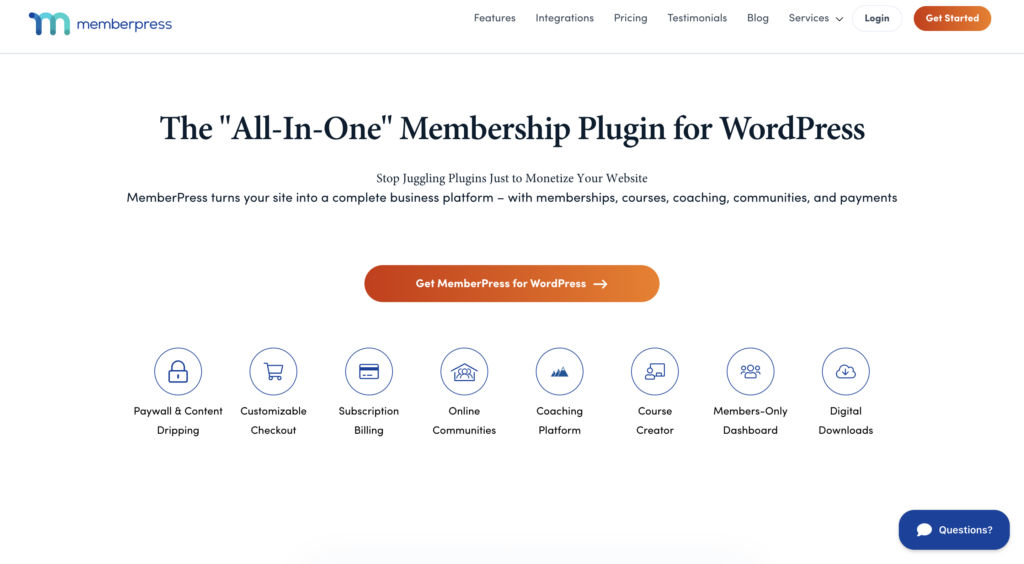
One-time product sales are hard to scale. Recurring membership revenue is much easier to build a business around.
MemberPress is how you create that recurring revenue on WordPress – gating content behind paid memberships, selling online courses, and managing billing and access rules from a single plugin.
The monetization angle is the obvious one, but the growth angle is just as strong. Membership sites generate the kind of engaged audience that amplifies everything else: course completers who become affiliates, members who refer friends, communities that grow from the inside out.
It pairs directly with Easy Affiliate too, so you can run a referral program around your membership product without any custom integration work.
3. PrettyLinks
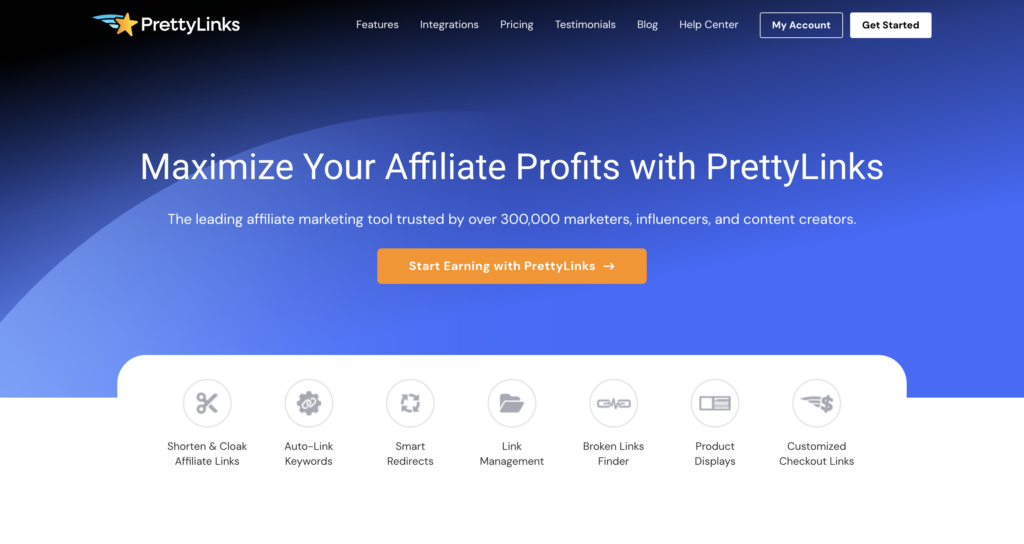
Most WordPress site owners doing affiliate marketing eventually hit the same wall: links scattered across hundreds of posts, no easy way to update them when URLs change, and no clear data on which content is actually sending clicks.
PrettyLinks solves all three. It shortens, cloaks, and tracks your affiliate links from one dashboard – so instead of a raw affiliate URL buried in your content, you get a clean branded link like yoursite.com/go/product. When a program changes its URL, you update it once and every instance across your site updates automatically.
The tracking is where it earns its place as a growth tool: you can see which posts and placements are generating the most clicks, so you know where to focus your promotion effort rather than guessing.
4. PopupAlly
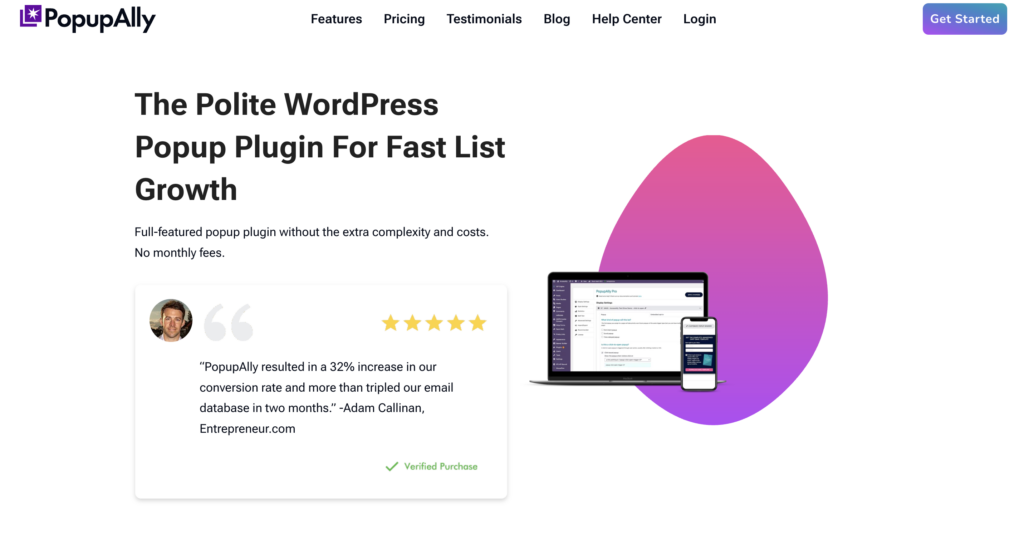
Getting traffic to your site is one problem. Getting that traffic to take an action before leaving is another.
PopupAlly handles the second one – opt-in forms, exit-intent popups, and embedded lead capture built to convert without making your site feel like a popup minefield.
The targeting is what separates it from a generic popup tool. You can show different messages based on which page someone is on, how far they’ve scrolled, how long they’ve been on the site, or whether they’re about to leave.
A visitor reading a blog post for the first time and a returning visitor on your pricing page aren’t in the same frame of mind, and your opt-in offer to them shouldn’t be either.
If you’re spending anything on traffic – paid ads, SEO, content marketing – PopupAlly is how you make more of that investment convert into leads instead of bounce rate statistics.
5. OptinMonster
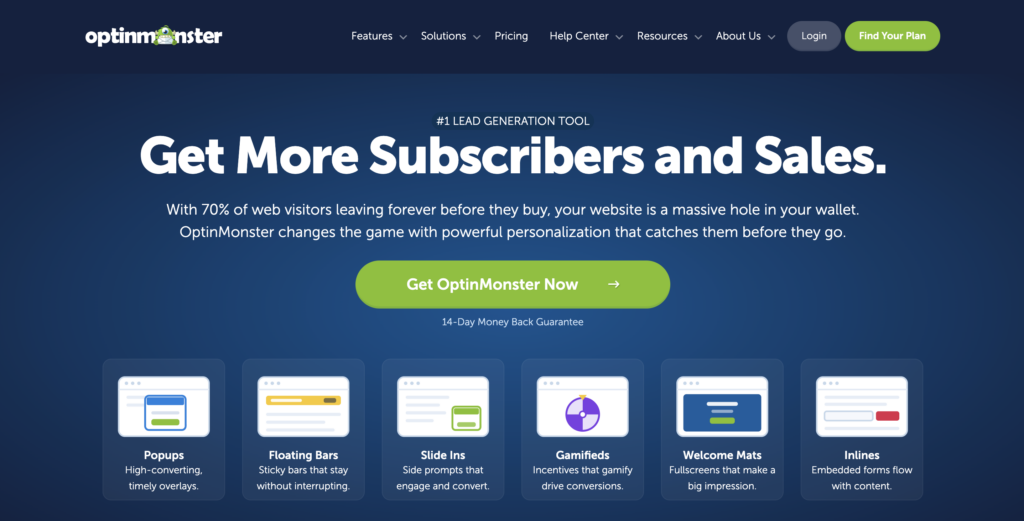
If you want more campaign types and deeper targeting logic than a standard popup plugin offers, OptinMonster is a step up. It covers slide-ins, floating bars, fullscreen overlays, and inline forms – all built through a visual campaign editor that doesn’t require code.
What makes it useful as a growth tool specifically is the segmentation. You can show completely different campaigns to visitors based on their referral source, geographic location, on-site behavior, or cart status.
Someone landing from a paid ad and someone who found you through a blog post are different audiences with different intent – OptinMonster lets you speak to each of them differently without building separate pages.
6. ActiveCampaign
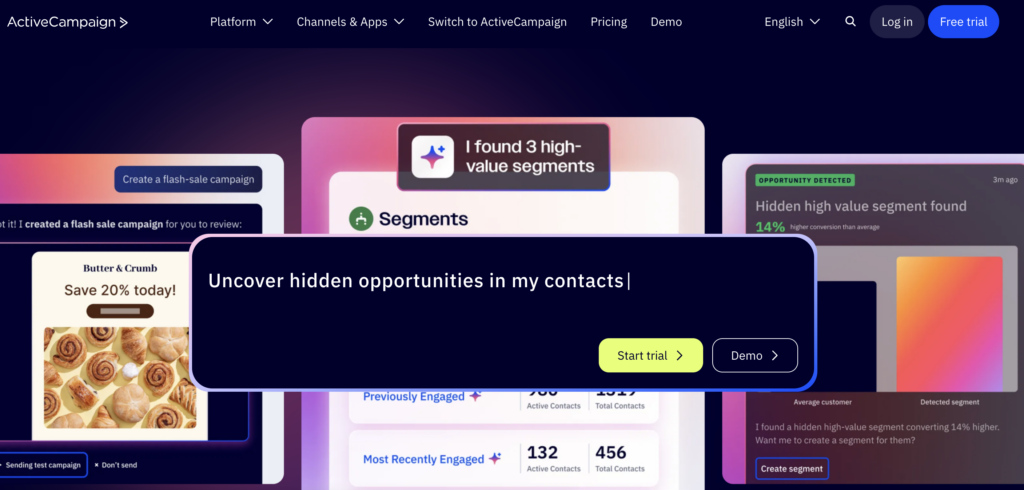
An email list only generates revenue if you actually do something with it. ActiveCampaign is the platform most WordPress businesses upgrade to once basic broadcast emails stop being enough.
The growth lever is automation: a new subscriber triggers a welcome sequence, a purchase triggers a follow-up, an inactive contact triggers a re-engagement campaign – all running without manual input.
It connects to MemberPress and most major WordPress plugins, so your membership data and email marketing can actually inform each other.
For businesses where email is a meaningful revenue channel – which is most of them – ActiveCampaign closes the gap between having a list and making money from it.
7. Kit
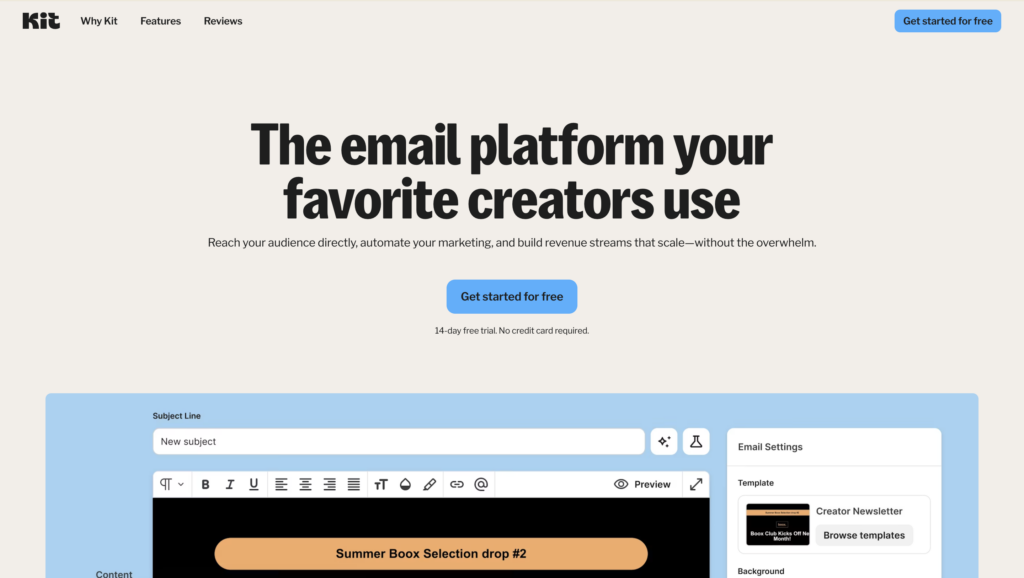
If your audience is built around content – blogging, podcasting, newsletters – Kit is designed specifically for that model.
Where ActiveCampaign leans toward marketing automation for businesses with complex sales flows, Kit is built for creators who want to grow an audience and monetize it directly.
The subscriber tagging system is where the growth work happens. You can tag subscribers based on which lead magnet they came through, which links they clicked, or which products they bought – then send targeted offers to the right segments rather than blasting your entire list with the same message.
Kit also has a built-in Creator Network that lets you recommend other creators to your subscribers and get recommended in return. It’s a low-effort list growth channel that most email platforms don’t offer.
8. TrustPulse
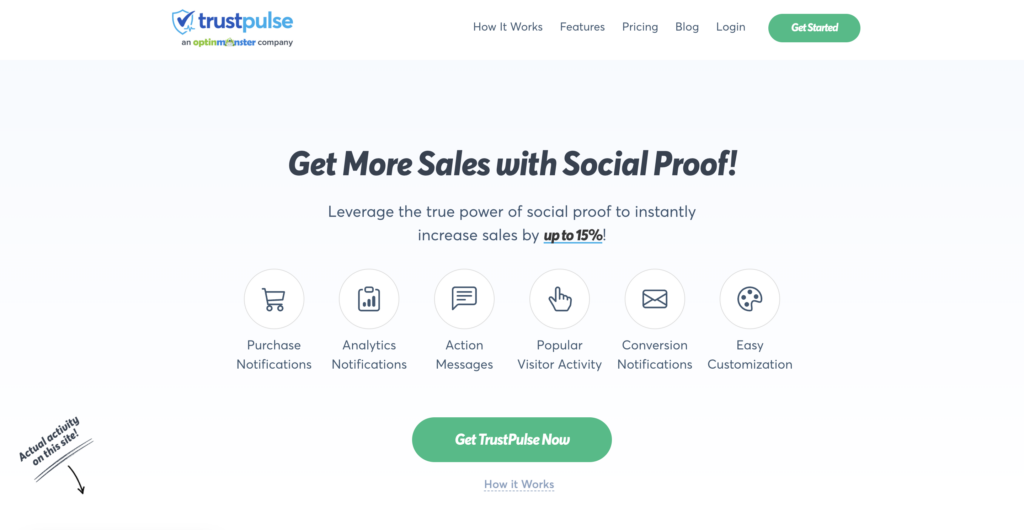
Social proof – the tendency for people to trust something more when they can see others already trust it – is one of the most reliable conversion principles there is.
TrustPulse adds it to your site automatically, displaying real-time notifications of recent purchases, signups, and other customer activity.
It works best on pages where someone is already considering a purchase but hasn’t committed. Seeing that a real person just signed up or bought – at exactly the moment of hesitation – is a low-friction nudge that moves a percentage of those undecided visitors into the yes column.
It’s not manufactured urgency; it’s just making visible the activity that would otherwise be invisible to your site visitors.
9. HubSpot
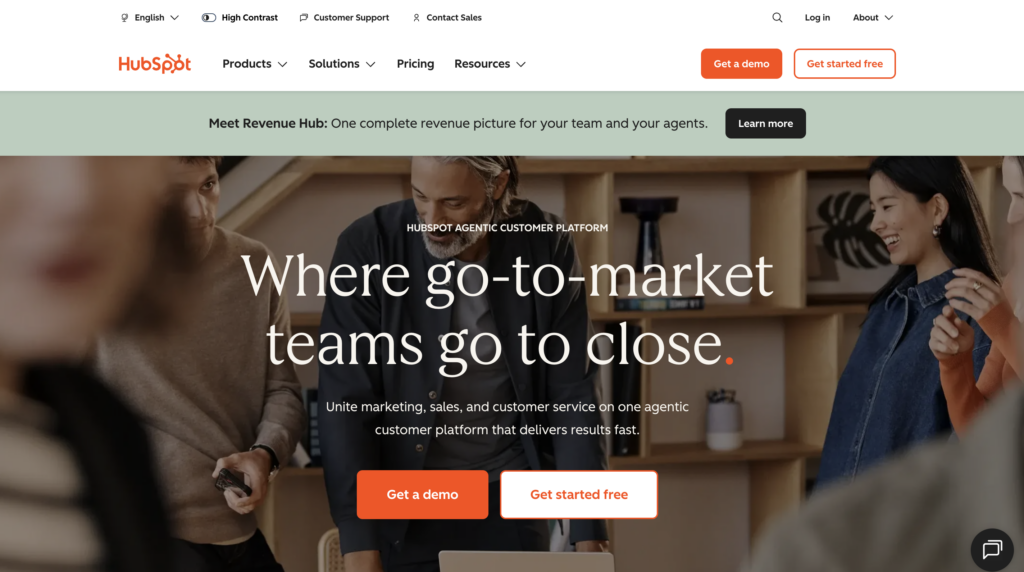
Most tools on this list handle one part of the growth picture. HubSpot‘s free WordPress plugin connects more of it – CRM, live chat, email marketing, and form builder in one place, so your leads, contacts, and customer interactions are tracked in the same system rather than scattered across tools that don’t talk to each other.
The growth angle is visibility and follow-through. When you can see every touchpoint a lead has had with your business – which pages they visited, which emails they opened, which forms they filled out – you can make smarter decisions about where to focus your marketing effort and which leads are worth following up on.
For smaller WordPress businesses that don’t yet have a dedicated marketing ops function, HubSpot’s free tier covers a lot of ground before you ever need to touch a paid plan.
10. Gleam

Organic growth through content is slow by design. Gleam gives you a faster lever when you need one: contests, giveaways, and loyalty campaigns that give visitors a direct reason to share your site, follow your profiles, and join your email list.
The mechanism is the entry requirements. To enter a competition, participants might need to follow you on social media, refer a friend, share a specific link, or visit a page on your site. Every entrant becomes a distribution channel. For product launches, list-building pushes, or growing a social following from a standing start, it’s one of the most cost-effective tools on this list – because the participants do most of the distribution work.
Choose the Plugin That Matches Your Next Growth Goal
You don’t need all ten plugins at once. The better move is to look at where growth is currently slowing down, then choose the plugin that solves that specific problem.
If people are visiting your site but not joining your list, start with a lead generation tool like PopupAlly or OptinMonster. If you have an audience but email isn’t turning into revenue, look at ActiveCampaign or Kit.
If referrals are an untapped channel, Easy Affiliate can help you launch and manage your own affiliate program. And if you’re selling memberships, pairing MemberPress with Easy Affiliate gives you a way to sell access and reward partners who help promote it.
The right plugin depends on the gap you’re trying to close first: more leads, better conversions, stronger customer relationships, or more revenue from people who already trust you. Start there, then build the rest of your stack around what your business actually needs next.

Which part of your WordPress site are you trying to grow right now: leads, conversions, revenue, or customer relationships? Tell us in the comments.


Leave a Reply